

Thuidium Moss
This plant ships:
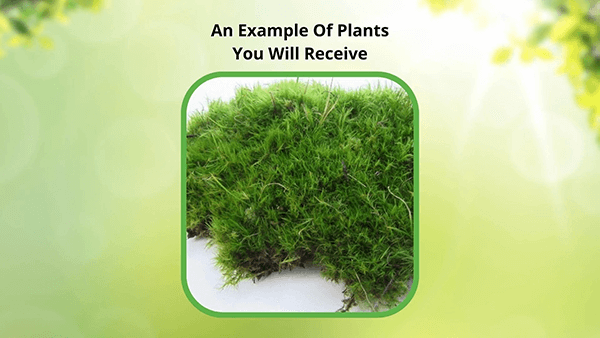
7-10 DaysWe sell bare root plants - click here to see what you'll receive
Overview
Thuidium Moss: The Fern Moss That Turns Bare Ground Into a Forest Floor
Care & Growing Tips
Detail 1
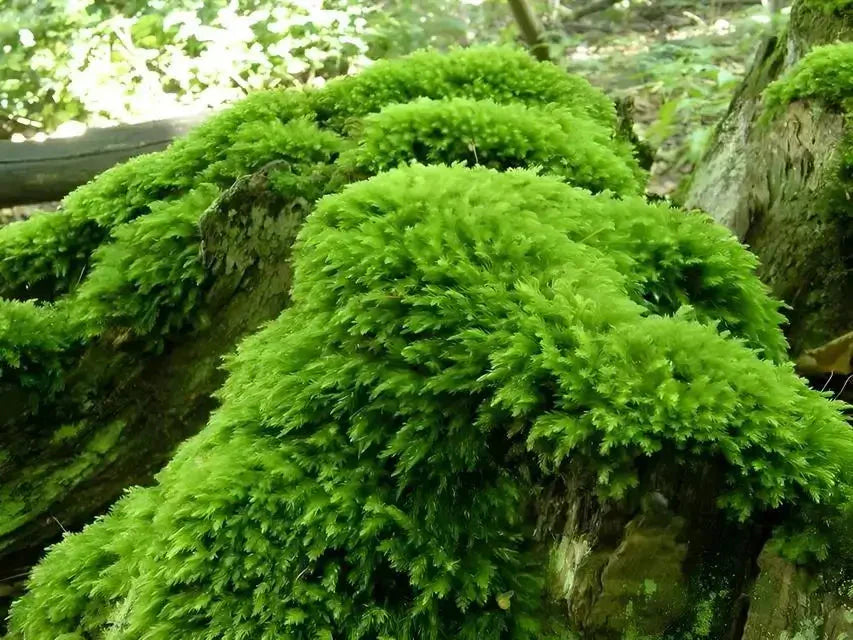
Thuidium moss, often called fern moss for its finely branched, feathery fronds, is one of the most sought-after mosses for anyone trying to recreate that soft, ancient-woodland look at home. Each frond fans out in a delicate, almost lacy pattern that spreads horizontally along the soil surface, knitting itself into a dense mat that looks like a miniature fern forest when viewed up close. It's a workhorse groundcover that thrives in zones 5 through 9, making it a solid pick for a wide range of climates from the mid-Atlantic down through the warmer reaches of the South.
Detail 2
Unlike turf grass or many traditional groundcovers, Thuidium moss doesn't need mowing, fertilizing, or regular watering once it settles in. It spreads by rhizome-like structures that creep along the ground, gradually filling in gaps between stepping stones, softening the edges of rock features, or carpeting shaded slopes where grass has always struggled. Because it hugs the ground so tightly, it also does double duty as erosion control on banks and inclines where soil tends to wash out during heavy rain.
Landscape Uses
Detail 1
Where and How to Use It in the Landscape
Detail 2
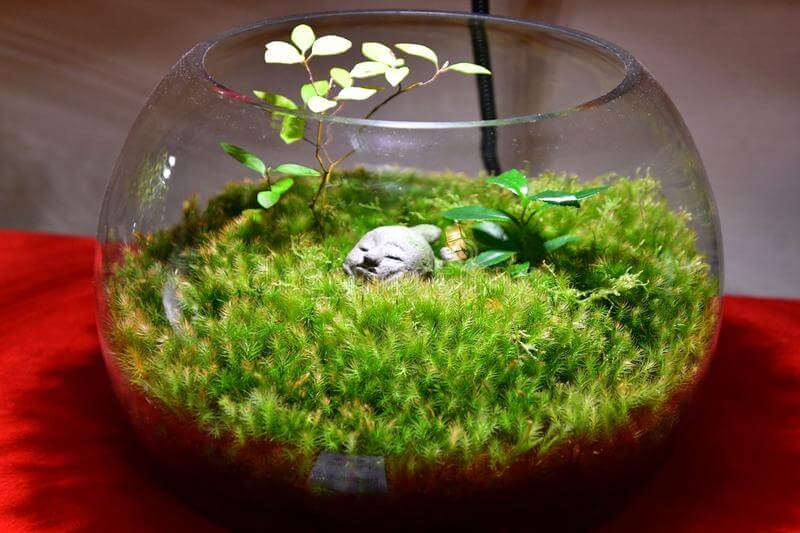
As a landscaping and groundcover plant, Thuidium moss is best suited to the parts of the yard that other plants avoid: deep shade under mature trees , north-facing beds, the damp strip beside a downspout, or the gaps between flagstone paths. Its fine texture pairs beautifully with hostas, ferns, and other shade-loving perennials, and it reads as a natural extension of woodland rather than an ornamental accent. Gardeners building a Japanese-style garden, a fairy garden, or a naturalistic rock garden often reach for it specifically because it photographs like something out of an old-growth forest, even in a suburban backyard.
Care & Growing Tips (cont.)
Establishment is straightforward: press the moss firmly against cleared, moist soil so the rhizoids make good contact, then keep it consistently damp for the first several weeks while it anchors itself. After that, rainfall in most zone 5-9 climates is usually enough to keep it green, though a light misting during extended dry spells helps it stay lush. It doesn't compete well with fallen leaves piling up on top of it, so a gentle rake-off in autumn keeps the mat from smothering. For anyone new to moss cultivation, our Moss Gardening Guide walks through site prep, moisture management, and troubleshooting in more detail.
More About This Plant
Why Gardeners Keep Coming Back to Moss
Care & Growing Tips (cont.)
Beyond the visual payoff, moss plantings like Thuidium quietly support the garden ecosystem in ways lawns simply can't. The dense mat holds moisture at the soil surface, moderates temperature swings around root zones, and creates habitat for small insects and amphibians that larger wildlife depend on. We go into this in more depth in The Benefits Of Incorporating Live Moss In Your Garden , and if you're curious about the specific creatures a moss bed can attract, Wildlife Attracted By Moss covers everything from ground beetles to tree frogs.
Additional Details
If Thuidium moss is your first time growing moss intentionally, it's a forgiving species to start with, and you'll find it alongside other beginner-friendly varieties in our Easy Moss To Grow collection.