


Silky Dogwood
This plant ships:
November 2025We sell bare root plants - click here to see what you'll receive
Overview
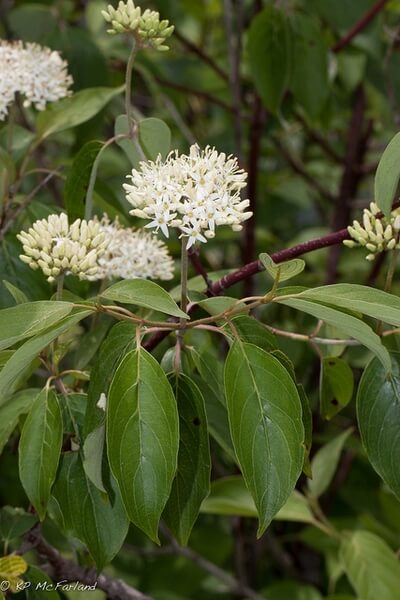
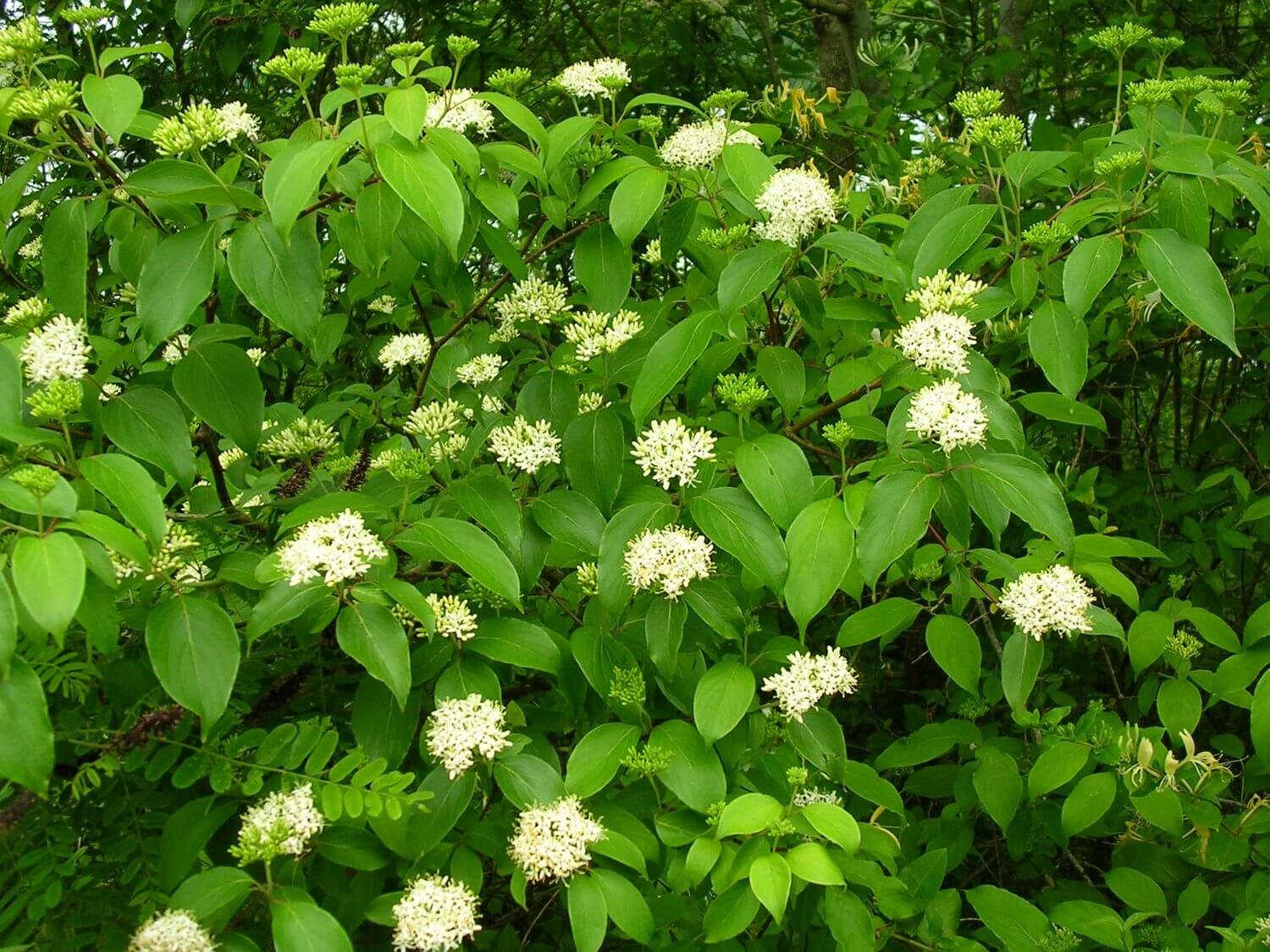
Silky Dogwood (Cornus amomum) is a native, multi-stemmed shrub that thrives in the kind of soggy, awkward corners of the yard where most ornamentals sulk. Its clusters of small white flowers open in flat-topped clusters, giving way later in the season to blue-tinged berries that songbirds and other wildlife seek out. If you've got a low spot, a streambank, or a rain garden that needs structure, this is the plant that fills that gap without complaint.
More About This Plant
Why Gardeners Plant Silky Dogwood
Planting Zone & Climate
Silky Dogwood earns its keep as a landscaping shrub in zones 5 through 8, where its dense, spreading habit makes it a natural choice for erosion control, screening, and naturalized plantings along ponds or drainage swales. The white blooms in spring are a draw for pollinators, and the shrub's suckering growth means it fills in over time, forming thickets that offer cover for nesting birds and small wildlife. Because it's a straight native species rather than a cultivar bred purely for looks, it slots easily into habitat-focused designs. Anyone building out a wildlife-friendly yard will want to pair it with other native selections outlined in Attract Birds To Your Garden With Native Plants, since the berry crop this shrub produces is exactly the kind of late-season food source that keeps birds coming back.
Additional Details
Placement and Care
Care & Growing Tips
Silky Dogwood isn't fussy about soil moisture the way many landscape shrubs are — in fact, it prefers sites that stay damp, making it one of the better choices for the wet edges of a property that homeowners often struggle to plant. It tolerates full sun to partial shade and adapts well to clay soils that would leave other shrubs struggling. Because of its size and spreading tendency, give it room; it's better used as part of a hedgerow, buffer planting, or naturalized border than as a tight foundation shrub near the house. Light pruning after flowering keeps the shape in check without sacrificing next year's bloom.
Bloom Season & Appearance
For anyone assembling a broader native landscape plan, Silky Dogwood works well alongside other regionally appropriate shrubs and perennials — the kind of layered approach covered in Crafting A Graceful Landscape With Native Plants . Its white flowers pair nicely with spring bulbs, and its winter stem color (a deep reddish-purple on older wood) adds interest once the leaves drop, extending its usefulness well past bloom season.
Additional Details
A Practical Choice for Problem Spots
Care & Growing Tips (cont.)
What sets Silky Dogwood apart from more polished ornamental dogwoods is its willingness to work in imperfect conditions — wet feet, heavy soil, partial shade — while still delivering white spring blooms and berries that support local wildlife. It's a shrub for gardeners who want function alongside beauty: stabilizing a slope, filling a naturalized buffer, or building a hedgerow that does double duty as habitat. If you're shopping for shrubs that check similar boxes for reliability and landscape performance, our best-selling plants collection is a good place to compare options before you finalize your planting plan.