

Red Chokeberry
This plant ships:
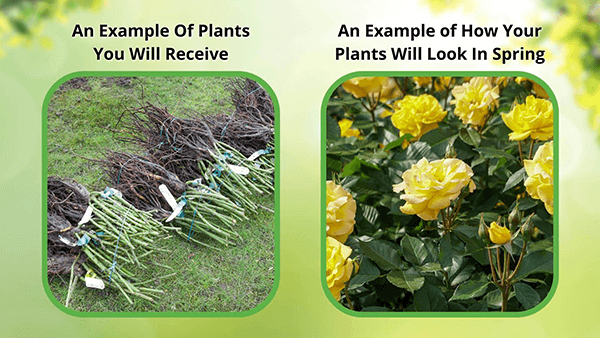
November 2025We sell bare root plants - click here to see what you'll receive
Overview
A Native Shrub Built for Birds and Bright Fall Color
Planting Zone & Climate
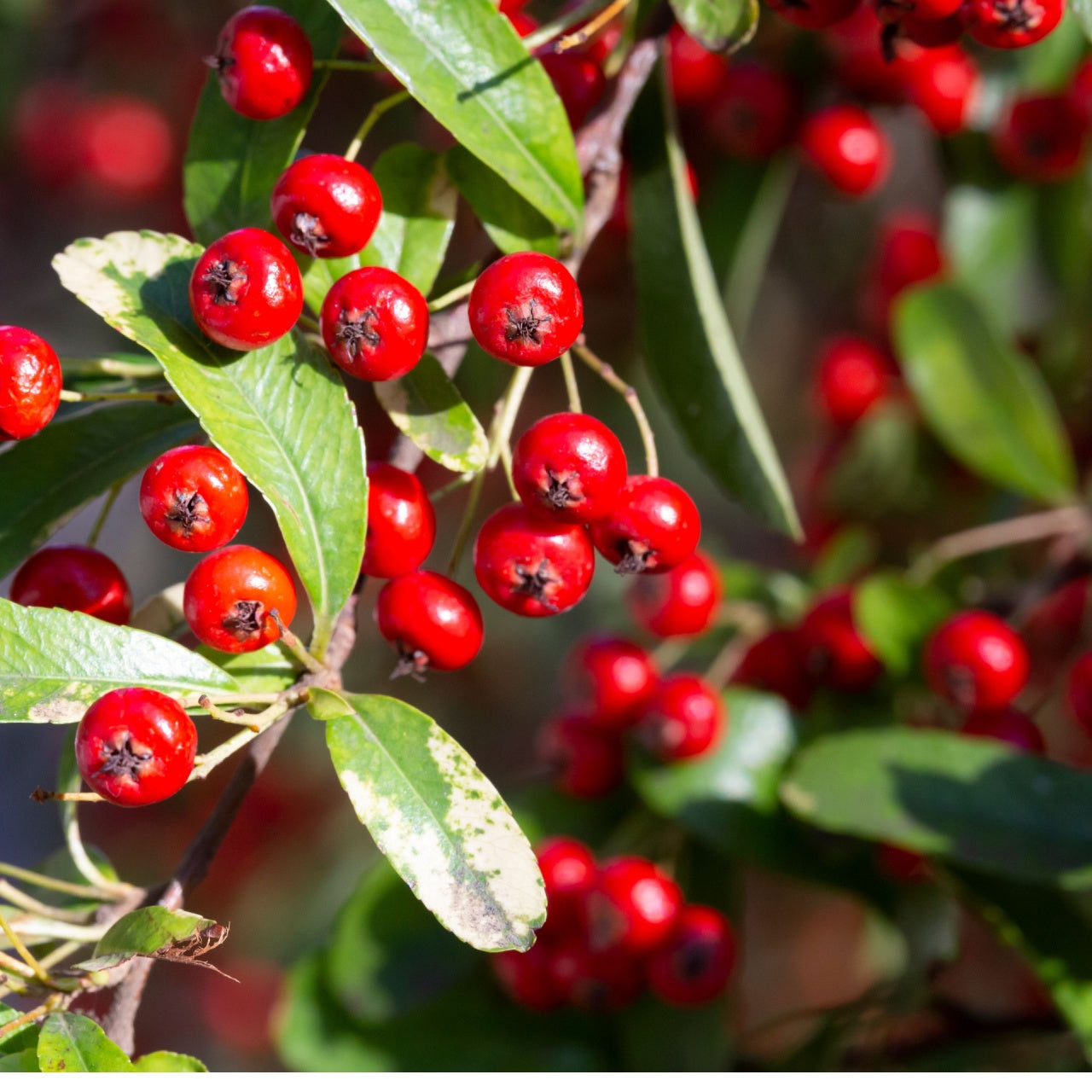
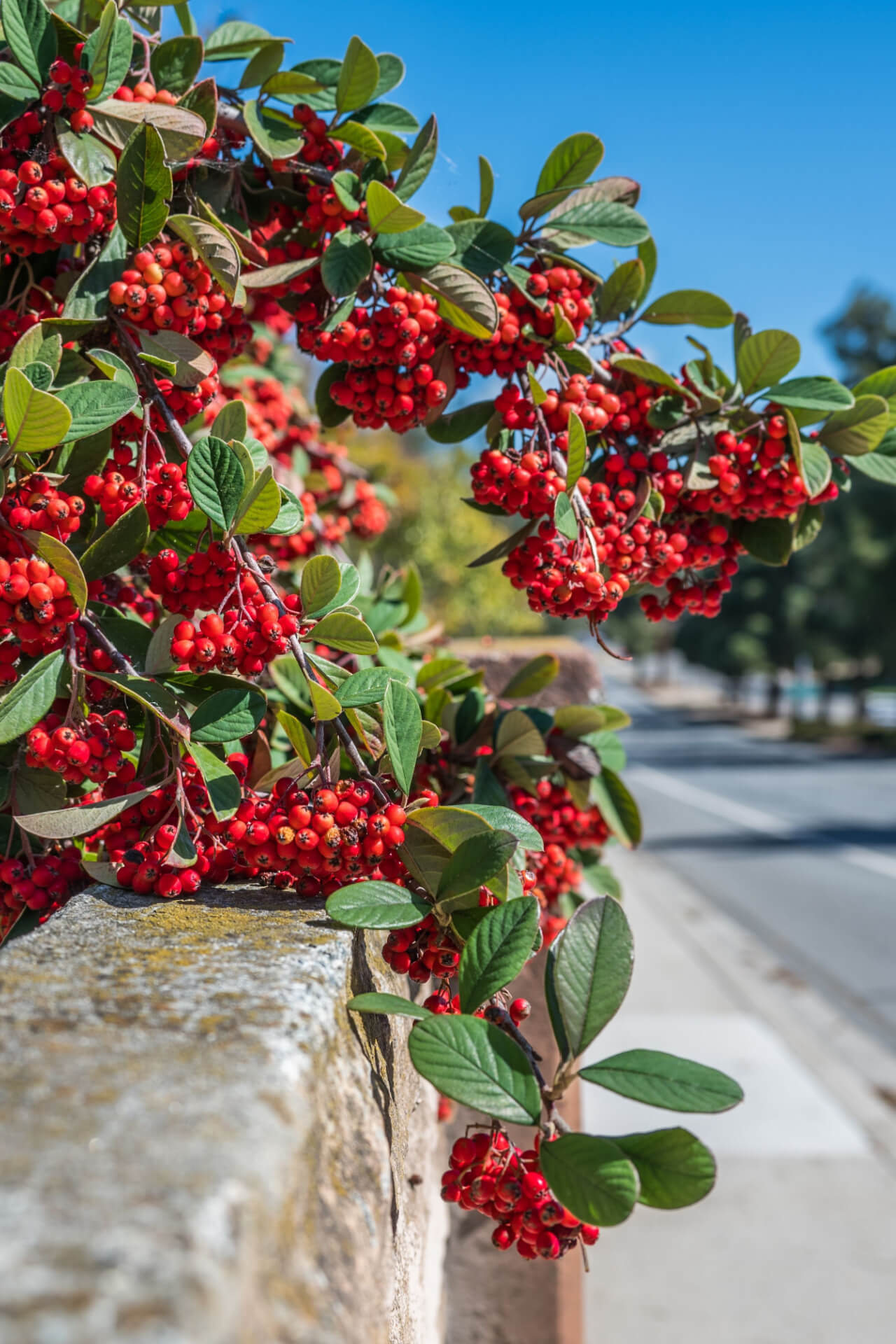
Red Chokeberry (Aronia arbutifolia) is a hardy, deciduous native shrub that earns its keep twice a year: first with clusters of white spring blooms, then again in fall when its foliage turns deep crimson and its berries ripen to a glossy red. It's the kind of plant that looks unremarkable in midsummer and then completely steals the show once the weather cools, making it a favorite for gardeners who want seasonal drama without a lot of fuss.
Bloom Season & Appearance
The white flowers show up in small, flat-topped clusters that dust the branches in early to mid-spring, giving way to the persistent red berries chokeberry is named for. Those berries hang on well into winter, long after most other shrubs have gone bare, which is exactly why this plant shows up so often on lists for wildlife gardening. If attracting birds is part of your reason for planting, Red Chokeberry belongs near the top of the list — it's a genuine food source, not just a decorative afterthought, and pairs well with the broader strategy covered in our guide to attracting birds to your garden with native plants.
More About This Plant
Where It Grows and How to Use It
Care & Growing Tips
Detail 1
Red Chokeberry is rated for zones 4 through 9, which covers an enormous range of climates — from cold northern winters to warmer southern growing seasons. That kind of adaptability is part of what makes it such a dependable choice for foundation plantings, mixed native borders, or naturalized areas where you want something that won't need coddling once it's established. Because it's a true North American native, it tends to slot in easily alongside other native perennials and shrubs without looking out of place or requiring special soil amendments.
Detail 2
It works particularly well in rain gardens or spots that get intermittently soggy, since chokeberry tolerates wetter soil better than many ornamental shrubs. It's also a solid pick for the edges of woodland gardens, or anywhere you're trying to soften a fence line or property border with something that offers more than one season of interest. Gardeners building out a birding-focused landscape often plant it in small groups rather than as a single specimen, since a cluster of shrubs gives visiting birds more cover and more berries to work with.
Additional Details
Planting and Care Notes
Care & Growing Tips (cont.)
Give Red Chokeberry a spot with full to partial sun for the best flowering and the richest fall color — too much shade, and you'll get a leggier shrub with a more muted foliage display. Beyond that, it's not particular. It handles average garden soil, adapts to both clay and sandy conditions, and doesn't demand the kind of regular pruning or feeding schedule that fussier ornamentals require. Once roots are established, it's largely a plant-it-and-let-it-go shrub.
Bloom Season & Appearance (cont.)
If you're assembling a broader native plant palette for the property, Red Chokeberry pairs naturally with other wildlife-friendly selections in our best-selling plants collection, many of which share the same easy-care, high-reward profile. It's an especially good starting point for anyone new to native gardening who wants a shrub that delivers real results — spring flowers, fall color, winter berries, and visiting birds — without requiring years of trial and error to get right.