


Lilac Shrub
This plant ships:
November 2025We sell bare root plants - click here to see what you'll receive
Overview
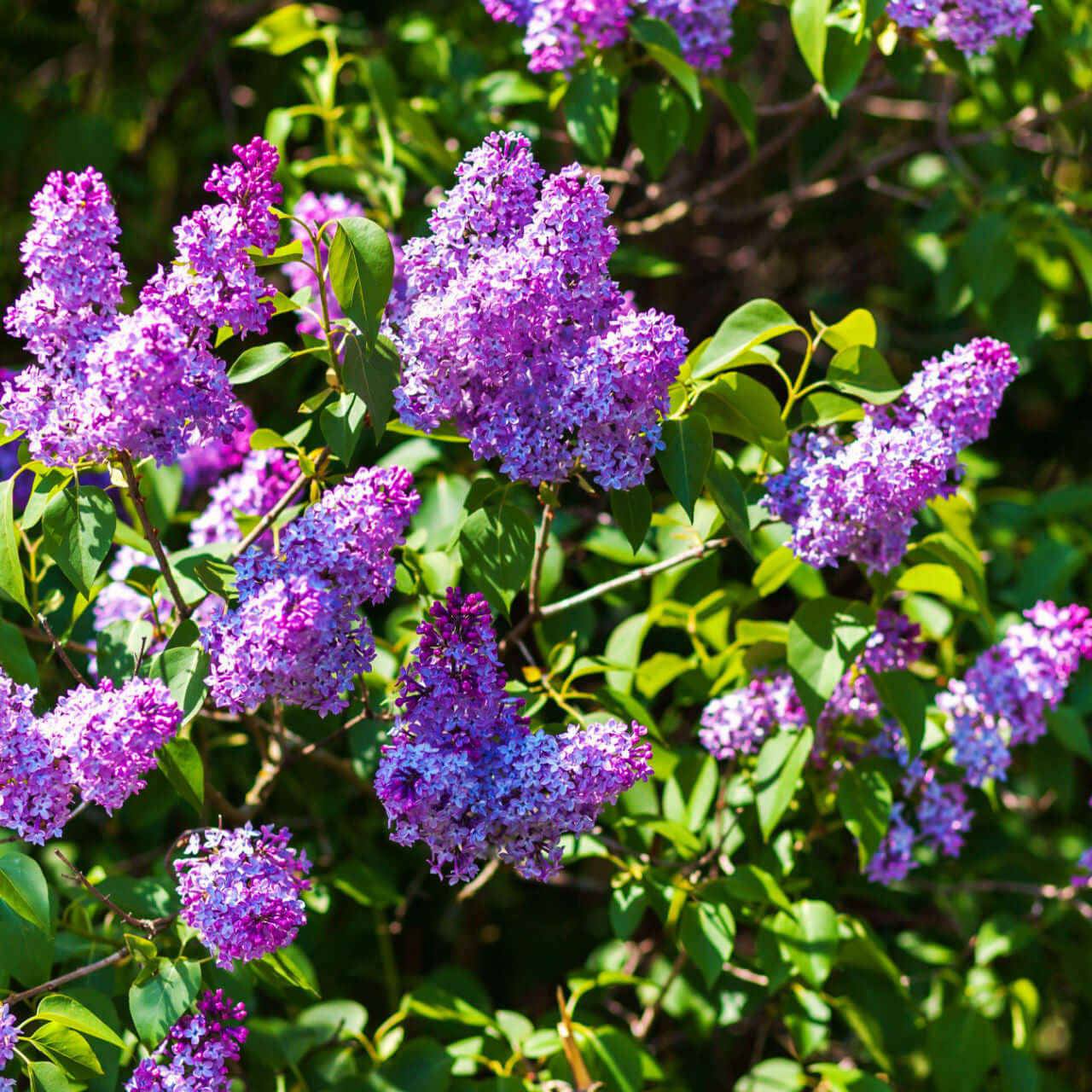
Few shrubs announce spring quite like the lilac. Its dense clusters of purple blooms carry that unmistakable, heavy-sweet fragrance that has made this plant a fixture in cottage gardens, farmhouse yards, and grandmother's borders for generations. If you've ever caught a whiff of lilac drifting through an open window in late spring, you already know why this shrub earns a permanent spot near patios, walkways, and bedroom windows.
More About This Plant
Why Gardeners Keep Coming Back to Lilac
Care & Growing Tips
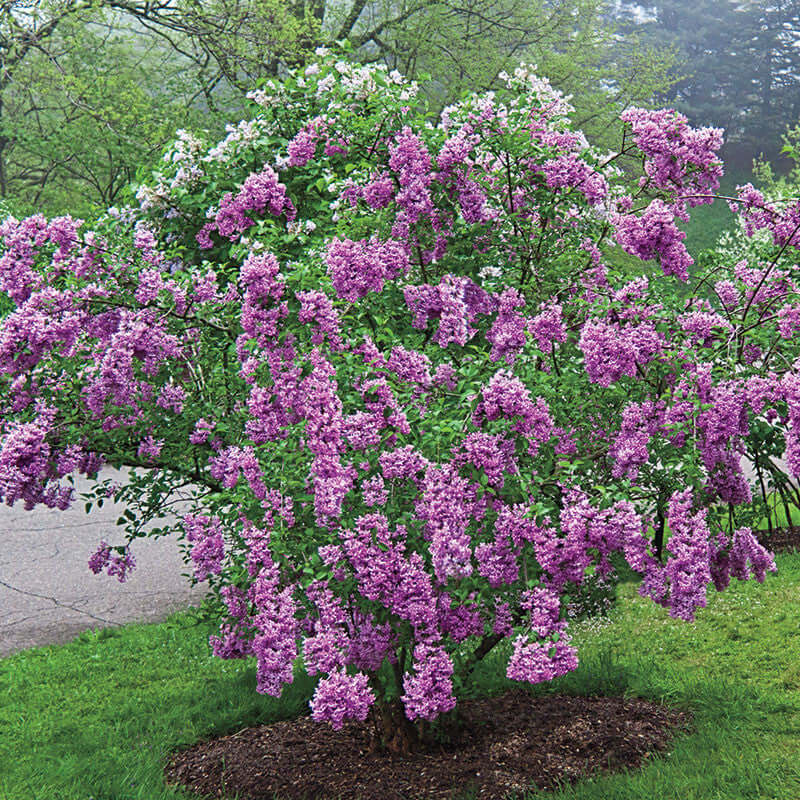
Lilac shrubs are tough, reliable performers, thriving in planting zones 3 through 7 where many gardeners deal with real winter cold. This is a shrub built for four-season climates rather than mild coastal zones — it actually needs a cold winter chill to set its next round of purple blooms. Once established, lilac shrubs are remarkably low-maintenance, shrugging off drought stretches and poor soil that would set back fussier plants. The payoff is a mounding, multi-stemmed shrub loaded with those signature purple flower panicles that pollinators, especially bees and butterflies, can't seem to resist.
Bloom Season & Appearance
Because the blooms are so fragrant and visually bold, lilac works beautifully as a centerpiece or backdrop in flower gardens where you want height, structure, and a burst of purple that other perennials can play off of. Plant it along a fence line, tuck a few into a mixed shrub border, or let a single specimen anchor a corner bed — lilac holds its own in nearly any layout.
Additional Details
Planting and Care Basics
Care & Growing Tips (cont.)
Give your lilac full sun if you want the heaviest bloom production; shrubs planted in partial shade tend to flower thin and stretch awkwardly toward the light. Well-drained soil matters more than soil richness here — lilacs actually resent soggy roots more than they mind average or even sandy ground. Once flowering finishes for the season, prune spent blooms promptly, since lilacs set next year's flower buds not long after the current bloom cycle ends. Skipping this step, or pruning too late in the season, is the most common reason gardeners end up with a lilac that grows lush and green but skips a bloom cycle.
Additional Details
If you're building out a broader planting plan and want to see how a shrub like this fits alongside perennials, vines, and understory plantings, our post on 7 different ways to use plants when making a garden walks through layout ideas that work well with a lilac as the backbone.
Landscape Uses
A Shrub That Works Hard in the Landscape
Bloom Season & Appearance (cont.)
Detail 1
Lilac isn't just a pretty bloomer — it's a genuinely practical shrub. The dense branching habit makes it useful as an informal screen or property-line planting, and because deer tend to browse past it in favor of softer, less fragrant foliage, it's a smart pick if wildlife pressure has wrecked other parts of your garden. For more shrub options that hold up against browsing animals, take a look at our roundup of deer-resistant shrubs perfect for your garden, or browse the full deer-resistant shrubs collection to pair lilac with other tough, browse-resistant companions.
Detail 2
Whether you're planting one shrub near a front porch for the fragrance alone or lining a driveway with several for a wall of spring purple, lilac delivers a classic, proven look that only gets better with age — established plants often outlive the gardeners who planted them, passed down as a fixture of the landscape for decades.