

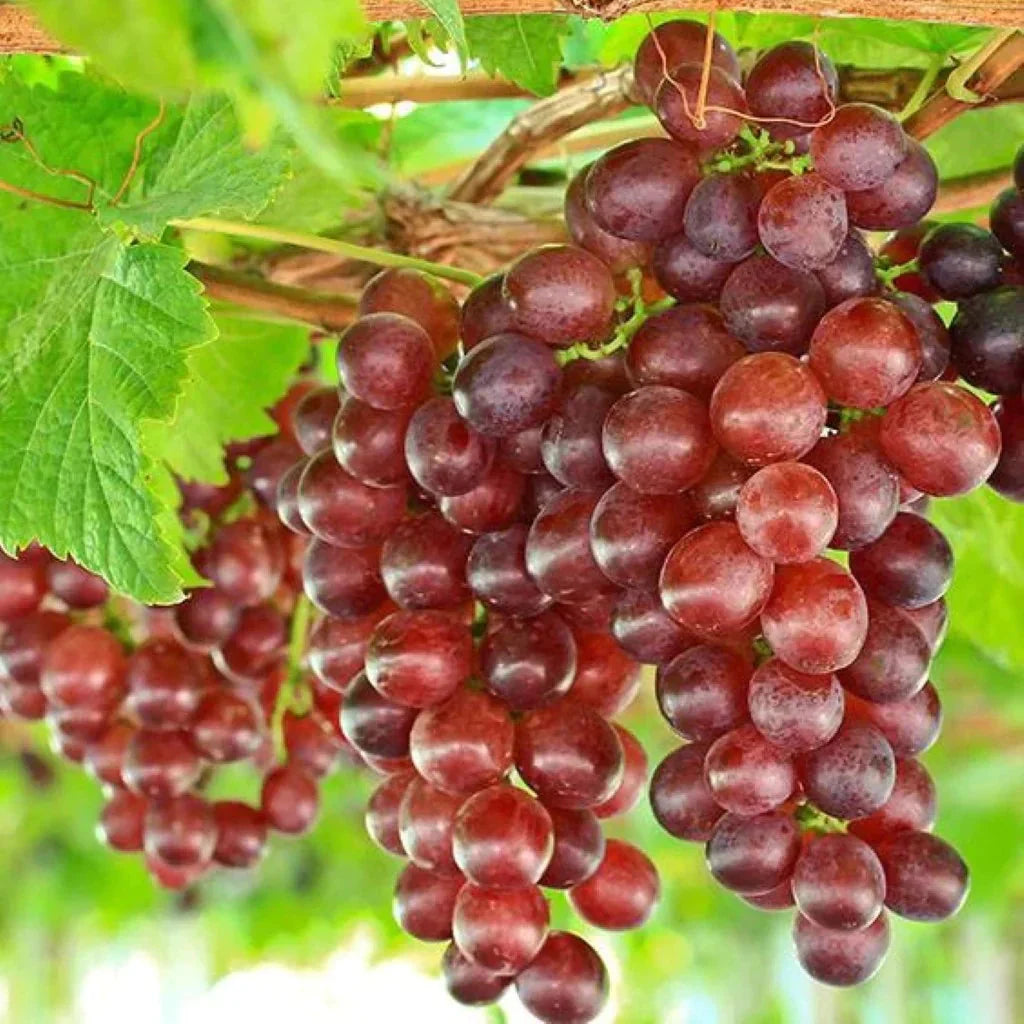
Grape Vines (Fruit Bearing Age)
This plant ships:
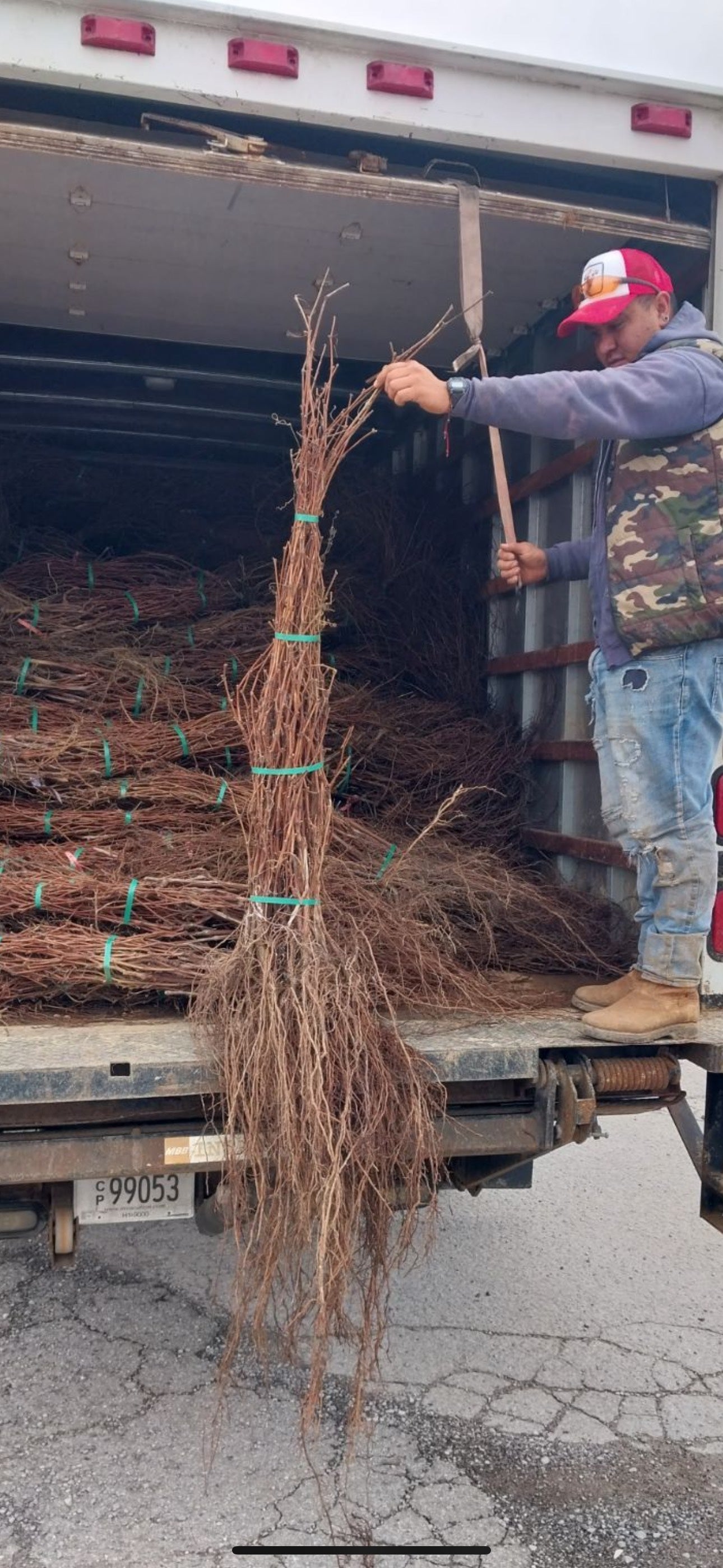
November 2025We sell bare root plants - click here to see what you'll receive
Overview
Skip the Wait — Grapes Ready to Fruit
Bloom Season & Appearance
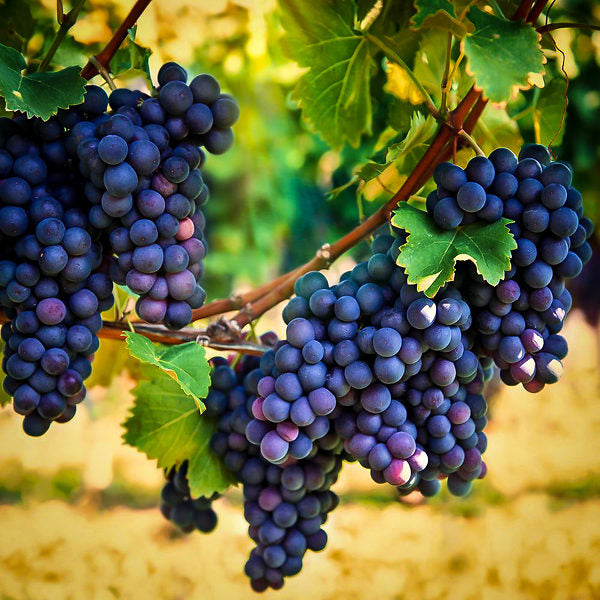
Most grape vines take two to three years before they produce a single cluster worth eating. These arrive already past that hurdle, sold at fruit-bearing age, so the vine you plant this spring has a real shot at giving you grapes the same season rather than a photo op for next year's harvest. It's the difference between planting a vine and planting a producer.
Planting Zone & Climate
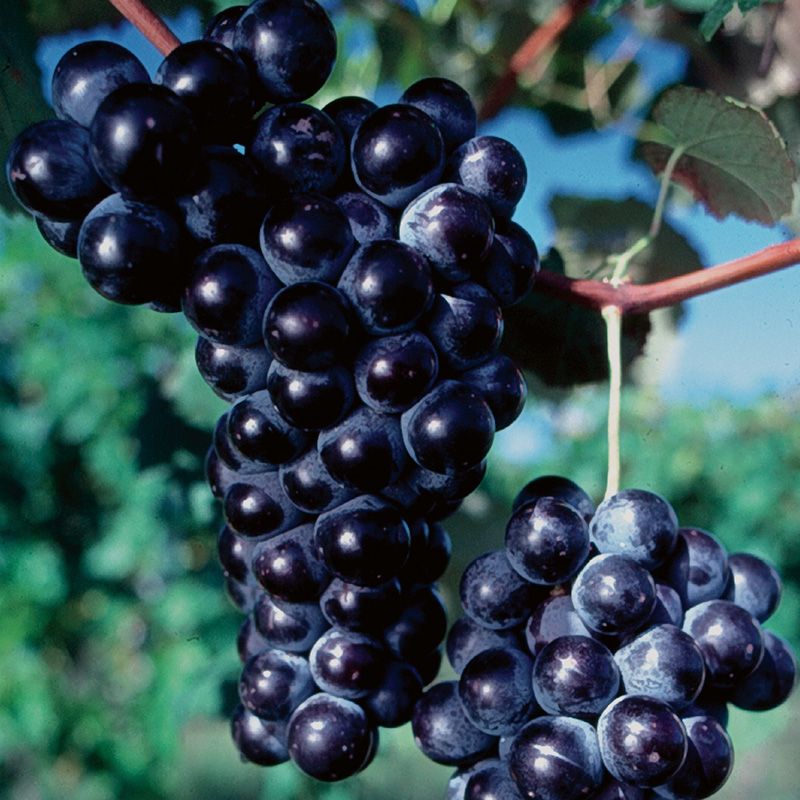
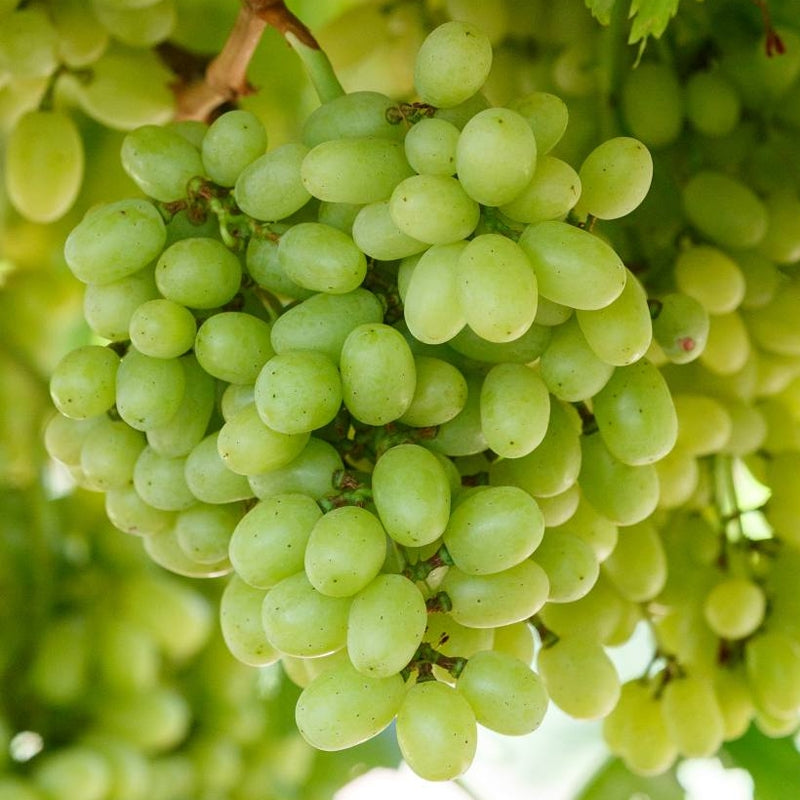
Each spring, the vine sends out small clusters of white blooms along the cane before the berries begin to set and swell through summer. Those flowers aren't showy in the way an ornamental climber's are, but they're the reason grape growers get excited every April — no bloom, no fruit. By late summer or early fall, depending on your climate and the variety you're training, those clusters fill out and color up, ready for the table, the juicer, or the winemaker's crush.
More About This Plant
Where and How to Plant
Care & Growing Tips
Detail 1
Grape vines in this collection are suited to zones 4 through 9, which covers a wide swath of the country — from cold-winter regions where the vine dies back and regrows reliably each spring, to warmer zones where it stays woodier and more established year over year. Full sun is non-negotiable; grapes need six or more hours of direct light daily to push sugar into the fruit and ripen properly. Well-drained soil matters just as much as sun exposure — grapevines tolerate poor, rocky ground far better than they tolerate wet feet, so raised beds or slightly sloped sites work in their favor.
Detail 2
Give the vine something to climb from day one. A trellis, arbor, fence line, or wire training system all work, and getting the structure in place before the vine needs it saves you from untangling canes later. If you're planning a larger planting, browse our full vines collection to pair grapes with companion climbers that share the same sun and support requirements.
Additional Details
Why Grow Your Own
Care & Growing Tips (cont.)
A mature, fruiting grape vine is one of the more satisfying additions to a home garden — the payoff is tangible, edible, and often more flavorful than anything sold at a supermarket, since backyard grapes get to ripen fully on the vine instead of being picked early for shipping. Beyond fresh eating, home-grown grapes go into jams, juice, raisins, or a first attempt at homemade wine, and the vine itself doubles as a shade structure once it fills out over an arbor or pergola. For anyone weighing a first fruit planting, our comprehensive guide for growing and caring for trees '>fruit trees covers a lot of the same groundwork — soil prep, watering rhythm, and seasonal pruning — that applies just as well to a fruiting vine.
Shipping & Planting
This offer includes buy one, get two more free, which makes it easy to plant a small row instead of a single lonely vine — useful if you're training grapes along a long fence or want enough fruit to actually preserve or press. Space plants six to eight feet apart along your support structure to give roots and canopy room to spread as the vines mature.