

Broom Forkmoss
This plant ships:
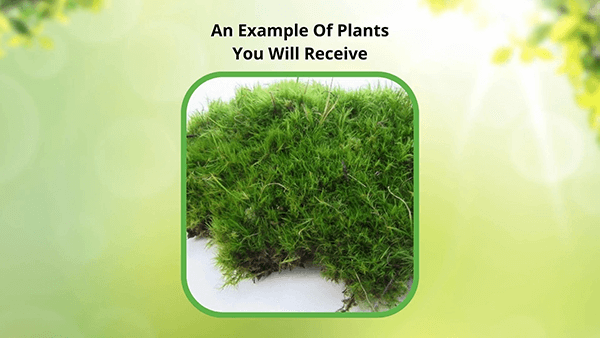
7-10 DaysWe sell bare root plants - click here to see what you'll receive
Overview
Broom Forkmoss (Dicranum scoparium) is one of the most reliable mosses you can add to a shaded landscape, prized for its dense, feathery tufts and rich green color that holds up through most of the growing season. Unlike turfgrass or traditional groundcovers, this moss doesn't need mowing, fertilizing, or regular watering once it's settled in — it simply spreads low and thick across the soil, forming a soft, textured carpet that looks good year-round. Gardeners in zones 3 through 9 can grow it, which makes it one of the more adaptable mosses available for northern and mid-Atlantic climates alike.
More About This Plant
Why Gardeners Choose Broom Forkmoss
Care & Growing Tips
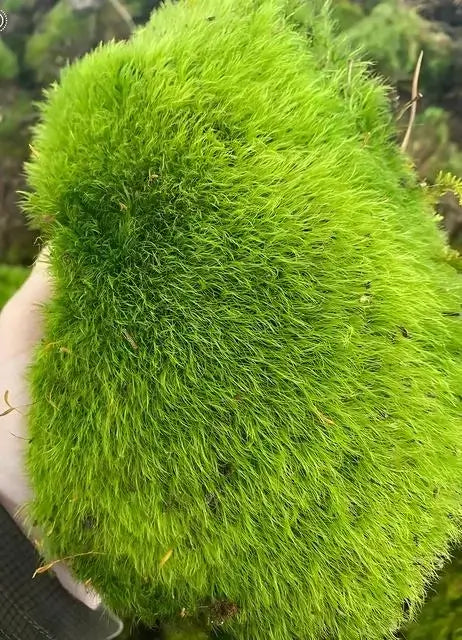
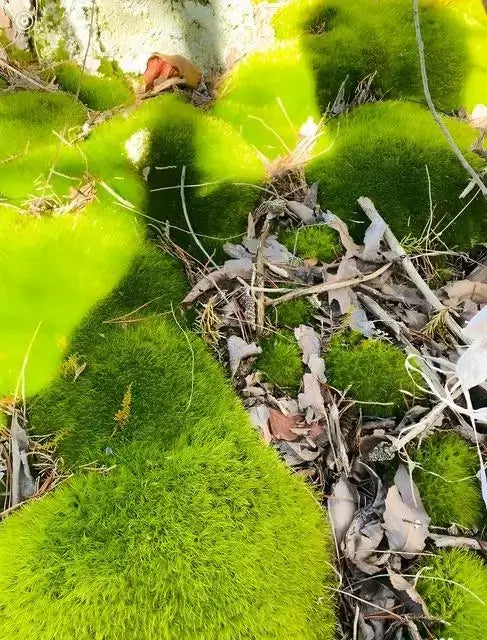
The curved, sickle-shaped leaves of Broom Forkmoss give it a slightly shaggy, wind-swept look that sets it apart from flatter sheet mosses. It naturally colonizes bare patches of soil, rotting logs, and rocky outcrops, which makes it a smart pick for spots where grass struggles — under mature trees , along shaded slopes, or tucked between stepping stones. As a groundcover, it does double duty: it suppresses weeds by occupying the soil surface, and it helps hold moisture in place, reducing erosion on slopes where water tends to run off before it can soak in.
Landscape Uses
Because it thrives without disturbance, Broom Forkmoss is a natural fit for anyone building out a low-maintenance landscape plan. It pairs beautifully with ferns, native woodland perennials, and stone features, and it's a favorite among gardeners working on rock garden designs where its cushiony texture softens the hard edges of stone and gravel. It also shows up often in miniature landscape work — the kind of small-scale, detailed plantings you'll see in fairy garden builds, where its scale and texture read like a tiny forest floor.
Additional Details
Where and How to Use It
Care & Growing Tips (cont.)
Detail 1
Broom Forkmoss prefers shaded to partly shaded spots with consistent moisture, particularly during establishment. Once it has rooted into place, it tolerates brief dry spells better than many mosses, though it will green up fastest with regular moisture and humidity. It's not picky about soil fertility — in fact, it prefers the kind of acidic, low-nutrient soil that frustrates other groundcovers, so it's an easy way to turn a problem area into a planted feature rather than a bare patch.
Detail 2
As landscaping goes, it works well layered at the base of shrubs, along woodland path edges, or as living mulch around the base of trees where grass won't take hold. It's also a practical option for anyone trying to fill in gaps between pavers or flagstone without introducing an aggressive spreader that will need constant trimming back. If you're exploring other low-fuss groundcover options for shaded or difficult spots, our easy moss to grow collection includes several varieties that pair well with Broom Forkmoss for layered texture and year-round green.
Additional Details
For a broader look at how groundcovers like this one fit into an overall garden layout — including combining them with taller plantings for depth and structure — the ideas in 7 different ways to use plants when making a garden are worth a read before you plan your planting scheme.