

Wild Blackberry Plant
This plant ships:
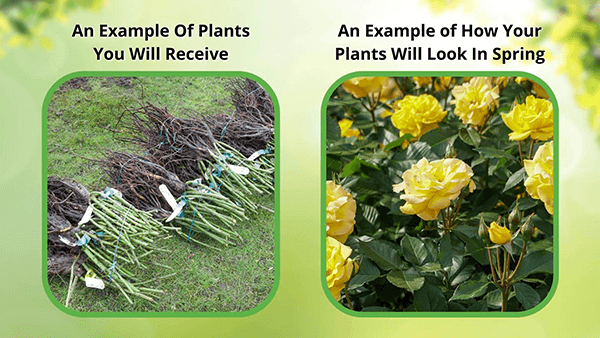
November 2025We sell bare root plants - click here to see what you'll receive
Overview
A Bramble Worth Growing
Bloom Season & Appearance
The Wild Blackberry Plant brings something most fruit gardens are missing: a real taste of the hedgerow, thorns and all. This isn't a tamed, mild-mannered hybrid bred for supermarket shelves — it's the same rambling, vigorous bramble that's been fruiting along fence lines and forest edges for generations, and it produces berries with that deep, slightly tart flavor that store-bought versions just don't have. Come late spring, the canes fill with clusters of white flowers, simple five-petaled blooms that draw in bees and other pollinators before giving way to the fruit everyone's really after.
Care & Growing Tips
This is a plant for gardeners who want function over fuss․ It tolerates a variety of conditions‚ from cooler gardens in the north to hotter climates farther south․ They thrive in USDA hardiness zones 5 through 9․ Give it sun‚ air circulation and good drainage‚ and it will reward you with heavier‚ sweeter fruit: blackberries are one of those plants that genuinely improve with a bit of neglect once established‚ needing far less coddling than most fruiting trees ․
More About This Plant
Growing and Harvesting
Care & Growing Tips (cont.)
Wild Blackberry canes are biennial in behavior: first-year canes (primocanes) grow vegetatively, while second-year canes (floricanes) are the ones that flower and fruit before dying back. Pruning out spent floricanes after harvest keeps the patch productive and prevents the tangled, overgrown mess brambles are famous for. Because the plant spreads via root suckers and arching canes that root wherever they touch soil, it's worth giving it dedicated space — a corner of the yard, a fence line, or a trellised row all work well. If you're planning a bramble patch alongside other productive plants, our guide on growing and caring for fruit trees covers complementary planting and soil prep that applies just as well to caneberries.
Bloom Season & Appearance (cont.)
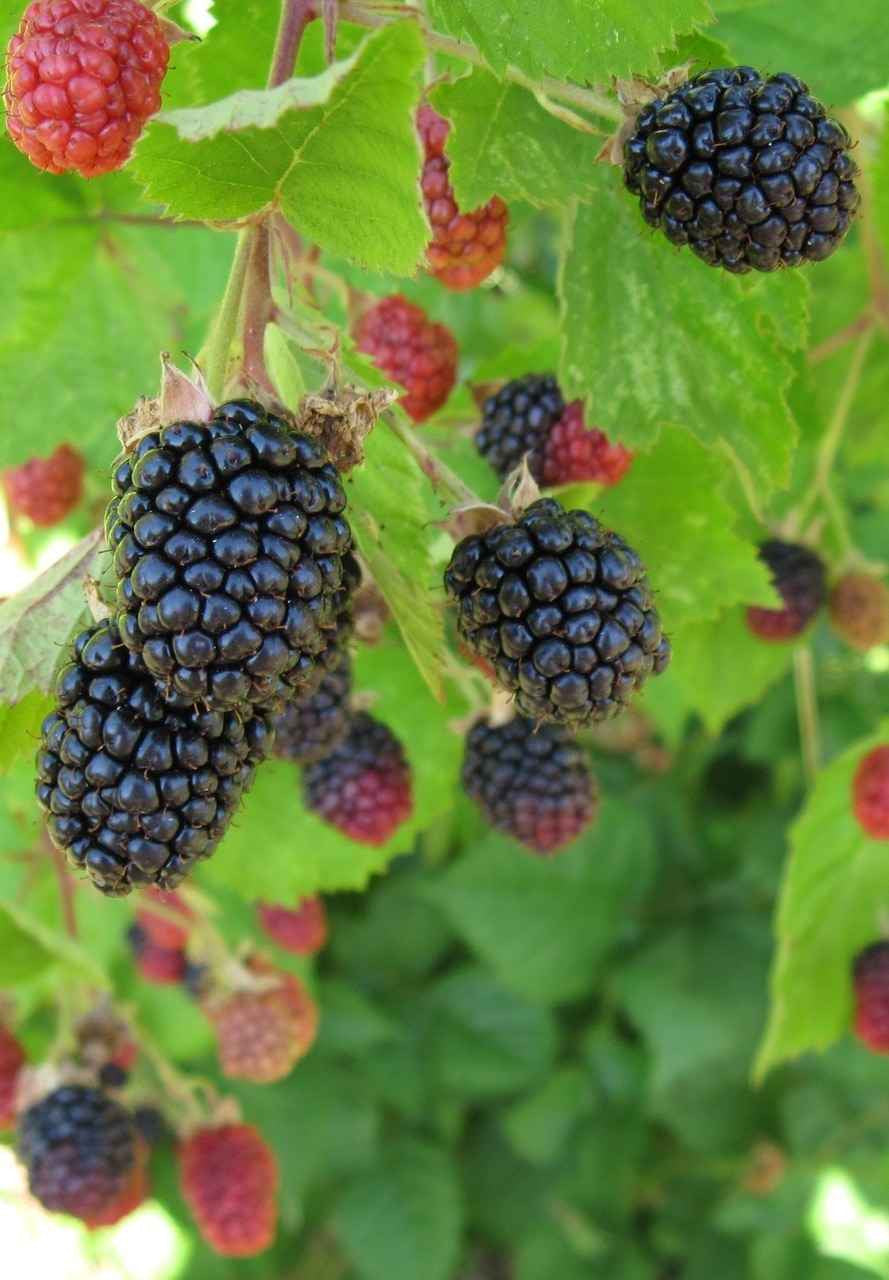
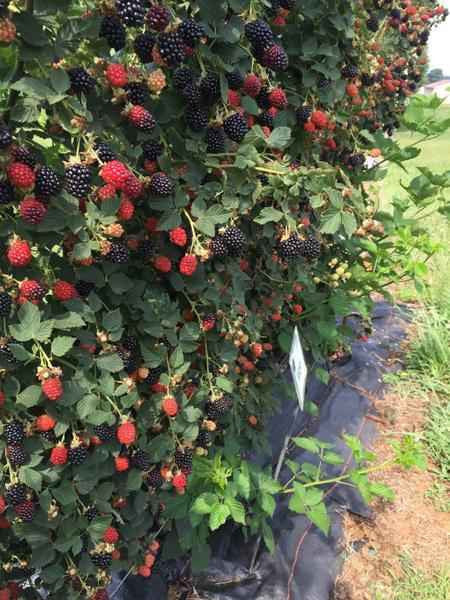
The fruit itself is the whole point here. Usage-wise, this plant is grown strictly for its harvest — there's no ornamental pretense about it, though the white spring blooms and arching canes do add texture to a garden bed or wild border. Berries ripen through summer, turning from red to a glossy black when fully ripe, and they're ready to pick the moment they release from the stem with a gentle tug. Left unpicked, they're a favorite of songbirds, so if you're already cultivating a wildlife-friendly yard, this plant fits right in alongside the ideas in our post on attracting birds with native plants.
Additional Details
Why Gardeners Keep Coming Back to It
Care & Growing Tips (cont.)
Blackberries freeze beautifully, hold up in jams and pies, and produce far more fruit per square foot than most people expect from a single plant. Once a patch is established, it will keep sending up new canes year after year with minimal intervention — no spraying regimens, no grafting, no fussing over chill hours. For anyone building out a productive garden, it's a natural addition alongside the rest of our edible plants collection, where fruiting, foraging, and kitchen-garden favorites live side by side. Plant it once, prune it yearly, and you'll be harvesting wild-tasting blackberries for a very long time.