

Black Haw Viburnum
This plant ships:
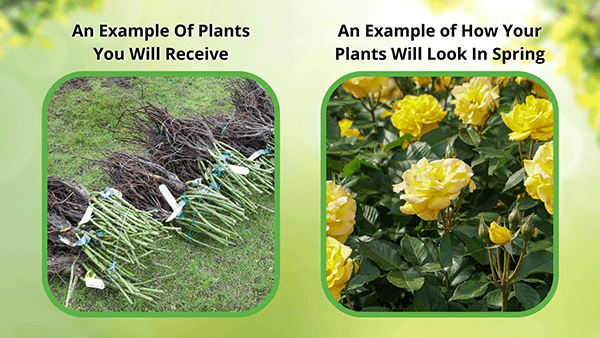
November 2025We sell bare root plants - click here to see what you'll receive
Overview
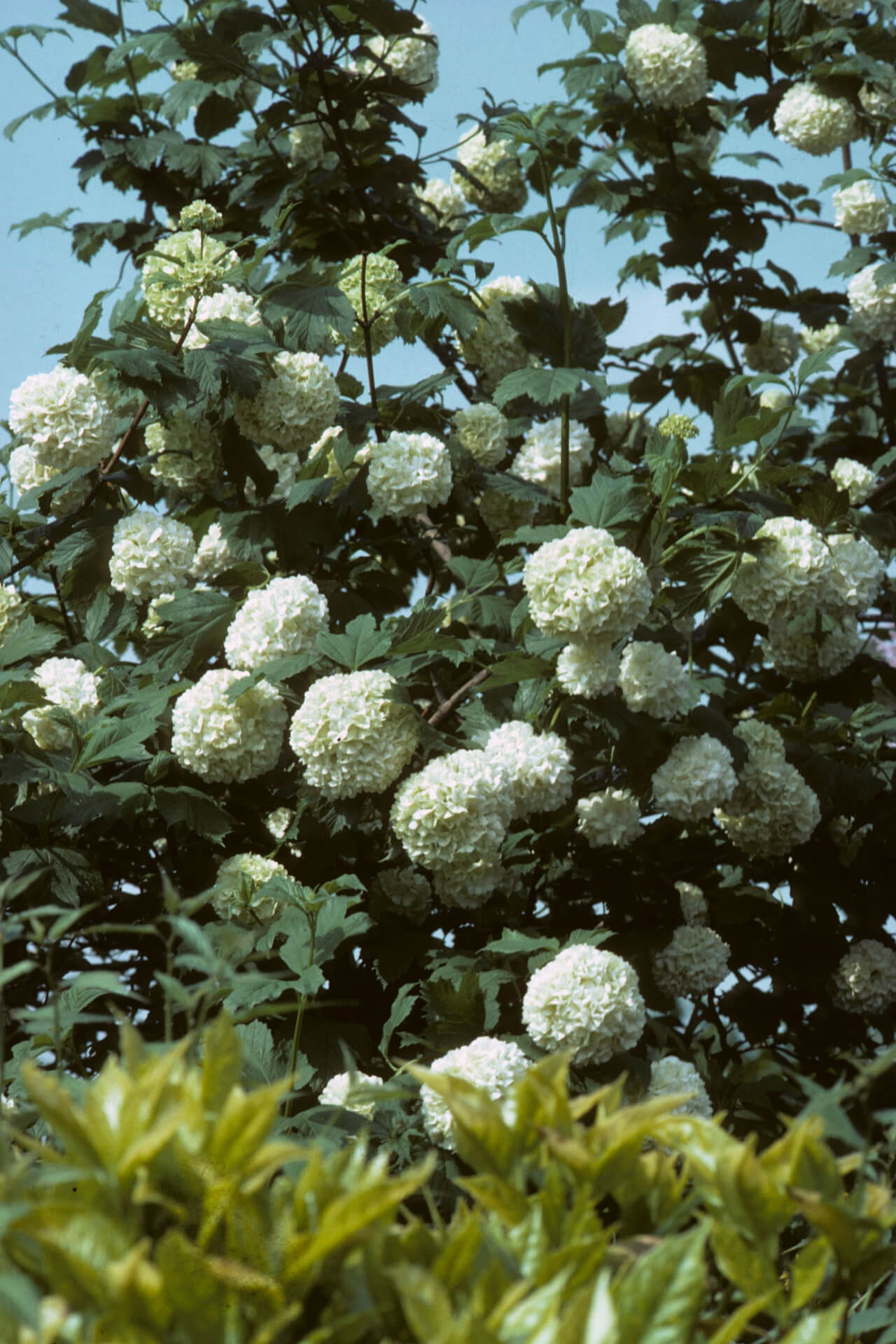
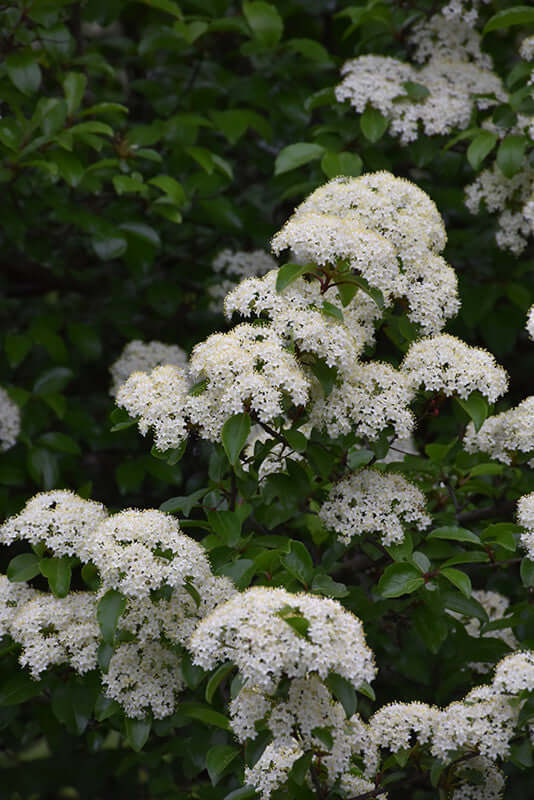
Black Haw Viburnum (Viburnum prunifolium) is a tough, adaptable native shrub prized for its clouds of white spring flowers and its willingness to grow just about anywhere you put it. Gardeners reach for this one when they want a plant that pulls double duty — ornamental enough for a foundation planting, rugged enough for a windbreak or naturalized hedge. It's the kind of shrub that rewards you quickly without demanding much in return.
More About This Plant
Fast, Reliable Growth Across a Wide Range
Planting Zone & Climate
One of the biggest selling points of Black Haw Viburnum is speed. This is a fast-growing shrub, so if you're trying to fill in a bare property line or establish screening in a reasonable timeframe, it earns its keep faster than many other native shrubs . It's also remarkably cold hardy, thriving anywhere from zone 3 to zone 9 — a spread that covers everything from harsh northern winters to warm southern summers. That kind of range is unusual, and it means Black Haw Viburnum works in nearly every corner of the country without needing special winter protection or coddling.
Bloom Season & Appearance
Each spring, the shrub covers itself in flat-topped clusters of white flowers, a classic viburnum bloom that reads almost like lace against the green foliage. The display is showy without being fussy, and it fits comfortably into cottage gardens, native plant borders, or more structured landscape designs.
Landscape Uses
Detail 1
A Native Shrub with Real Landscape Value
Detail 2
Because Black Haw Viburnum is native to much of the eastern and central United States, it slots naturally into ecological plantings and low-maintenance native gardens. It doesn't require the babying that many ornamental imports do, and its dense branching habit makes it a solid choice for hedgerows, mixed borders, or naturalized areas where you want something that looks intentional but not manicured.
Wildlife & Pollinator Benefits
Its wildlife value is part of the appeal, too — songbirds are drawn to shrubs like this one for cover and forage, which makes it a smart pick if you're working on a yard that supports birds and pollinators rather than just decorating it. For more ideas on pairing shrubs like this with other native species, our guide on attracting birds to your garden with native plants covers companion choices that round out a wildlife-friendly landscape.
Additional Details
Where to Plant It
Planting Zone & Climate (cont.)
Detail 1
Because of its wide hardiness range and fast growth rate, Black Haw Viburnum is flexible enough to use as a specimen shrub, a background planting behind perennials, or massed together for an informal privacy screen. Gardeners who are building out a broader native or wildlife-focused landscape often pair it with other proven performers — if you're shopping for more shrubs with a track record, our best-selling plants collection is a good place to see what other gardeners are choosing alongside it.
Detail 2
Give it a spot with reasonable drainage and let it establish for a season or two, and Black Haw Viburnum will settle in as one of the lower-maintenance, higher-reward shrubs in the landscape — dependable in spring bloom, useful for wildlife, and hardy enough to shrug off whatever winter brings.